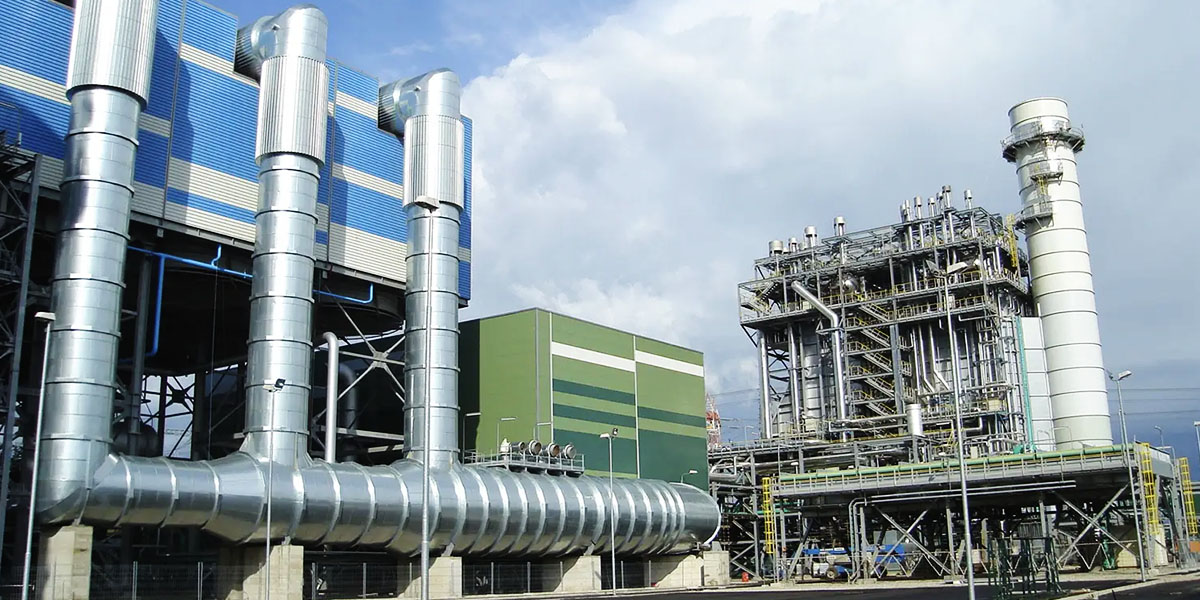
OSHA Requirements for Power Plants Anyone operating or maintaining power generation, transmission, or distribution equipment faces hundreds of pages of regulatory requirements. One such requirement, OSHA 1910.269, can be challenging to … Read More
What Is the Brayton Cycle? Operations managers do not need advanced thermodynamics training to benefit from knowing how the Brayton cycle works. A practical grasp of this concept provides a … Read More
How to Approach Retraining for Leadership Teams As artificial intelligence and advanced control systems are introduced across power plants and manufacturing facilities, leadership retraining becomes a vital step for continued success. The … Read More
Do Experienced Hires Need as Much Training? A new hire can bring decades of plant experience yet still need a structured onboarding plan. Whether experienced hires need as much training is a … Read More
What Are the Benefits of Flow Diagrams and Lockout/Tagout Layouts? The benefits of flow diagrams and lockout/tagout (LOTO) layouts are greater safety, smoother plant operations, and easier regulatory compliance. These tools help your team work … Read More
How to Train Gen-Z As experienced operators retire, industrial facilities must strategically develop the next generation of skilled workers — Gen Z. At FCS, we recognize that Gen Z’s … Read More
How Does Staff Training Influence Operational Safety? Staff training influences operational safety by preventing incidents, ensuring regulatory compliance, and cultivating a safety culture within your organization. When well-designed and engaging, it can … Read More
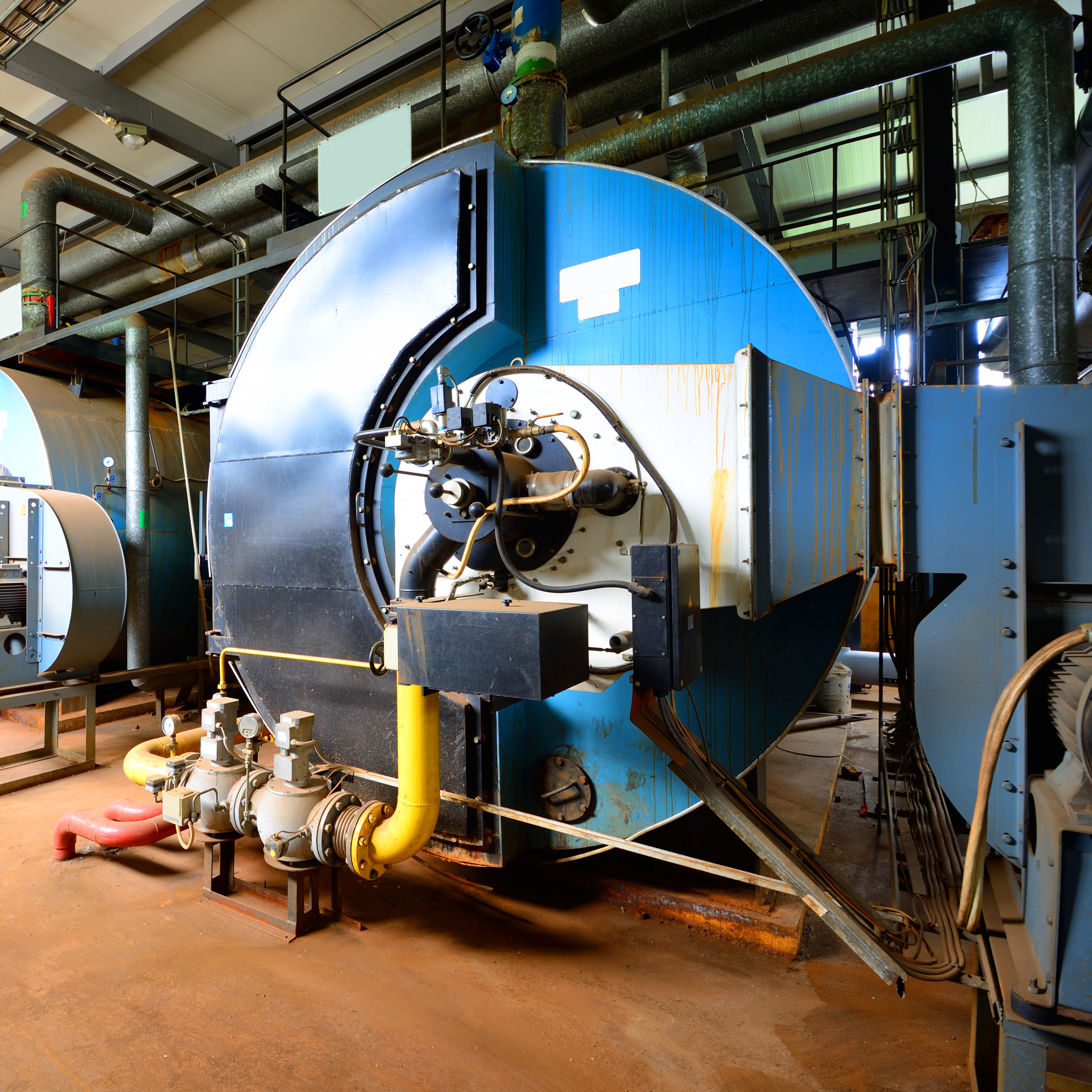
Boiler Startup and Shutdown Procedures Boilers power turbines and heat campuses, driving industrial processes. Proper boiler startup and shutdown protocols help the plant operate as expected, meet demand efficiently, and … Read More
Your Quick Guide to Plant Safety A power plant is an active place — between heavy machinery, loud noises, and lots of workers, various moving parts come together to create workplace … Read More