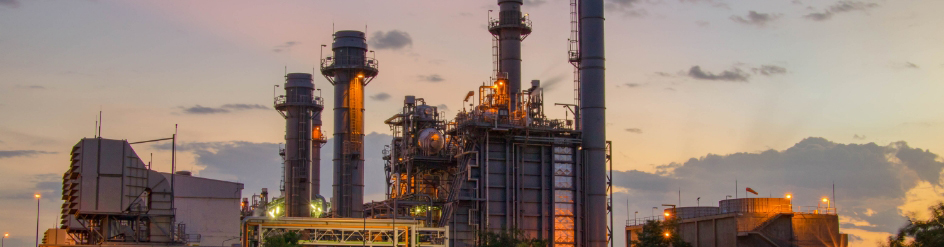
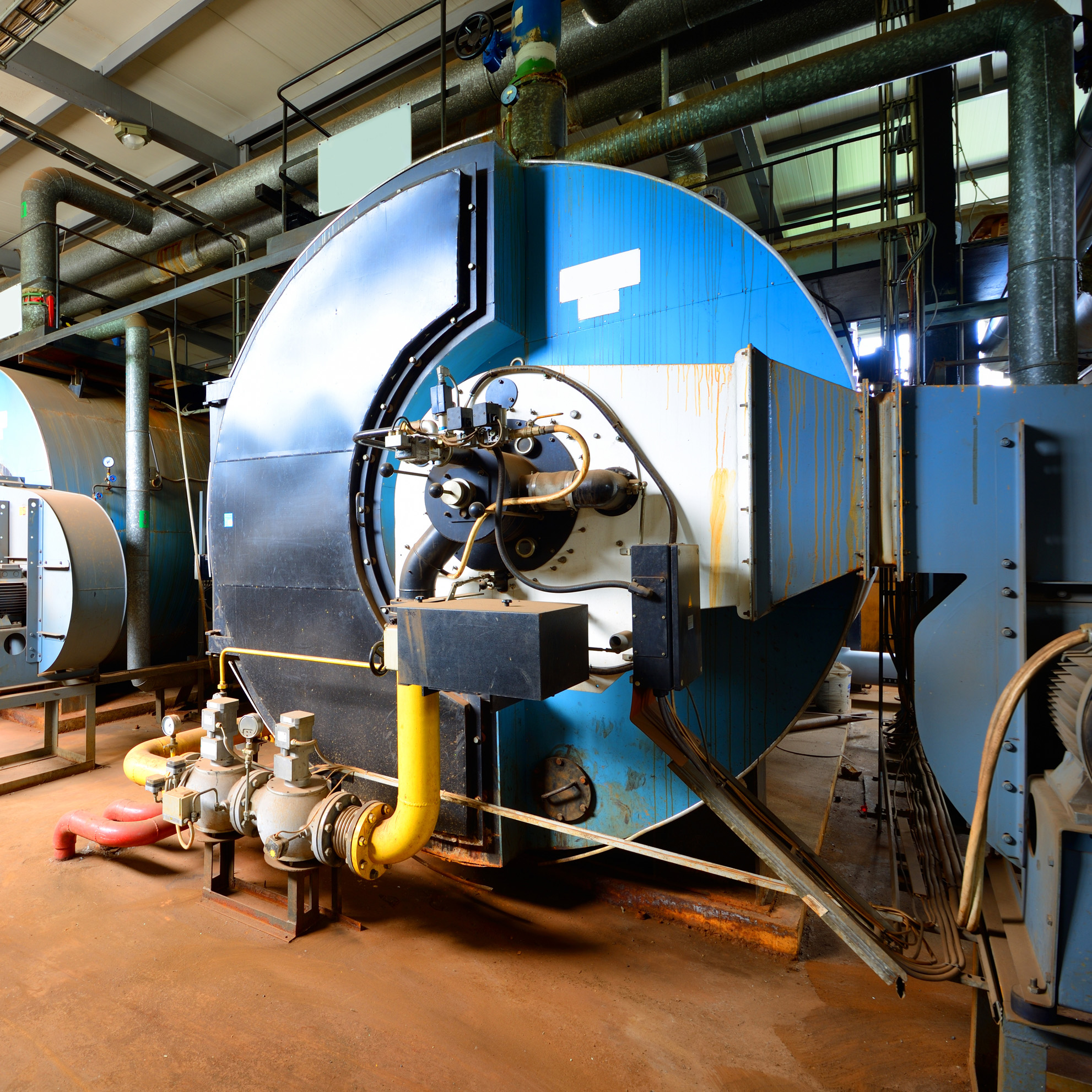
Boilers power turbines and heat campuses, driving industrial processes. Proper boiler startup and shutdown protocols help the plant operate as expected, meet demand efficiently, and minimize thermal and mechanical stress.
The Importance of Standardized Operating Procedures
When boiler operators follow validated procedures, plants gain the following advantages:
- Eliminate shift drift: Standardized starts prevent performance-degrading variations and remove “tribal knowledge” operations.
- Protect the plant: Strict adherence to critical limits, such as warmup curves and drum levels, prevents thermal shock that can damage the boiler’s drums, tubes, and headers.
- Bolster safety: Verified shutdown procedures safely remove the boiler unit from service to prevent corrosion or hazardous conditions during outages.
Typical Steps of Boiler Startup and Shutdown
Proper boiler startup and shutdown have several key phases. Operators should always defer to their facility’s validated procedures and the specific equipment’s boiler startup checklist.
A boiler startup procedure will typically include the following steps:
- Verify pre-start conditions: Check all valves, fluid levels, and auxiliaries.
- Purge the furnace: Run the purge cycle to clear combustible gases before ignition as required by NFPA.
- Light off the burner: Establish the pilot and main flame according to the burner management system sequence.
- Follow the warmup curve: Slowly increase temperature at approximately 100° Fahrenheit per hour to minimize thermal stress on thick-walled drums and observe and required soaks.
- Manage vents: Close drum vents once pressure builds to the specified setpoint, typically 15 to 25 pounds per square inch gauge (PSIG).
- Bring to load: Transition controls to automatic and gradually increase the firing rate to match demand.
- Monitor parameters: Continuously check the boiler’s water chemistry controls, drum level, and steam temperature, and monitor the boiler pressure control to ensure unit stability as firing rates increase.
A boiler shutdown procedure will typically include the following steps:
- Reduce load gradually: Decrease the firing rate slowly for components to cool evenly and minimize thermal stress.
- Secure the burner: Extinguish the main flame and pilot following the burner management system sequence.
- Maintain circulation: Keep feedwater pumps running to ensure proper cooling of boiler tubes and prevent hot spots while maintaining drum level high in the indicating range.
- Monitor temperature decline: Track the rate of temperature decrease to stay within manufacturer recommendations.
- Open vents and drains: Once pressure drops to safe levels, typically 15-25 psig, open drum vents and drain valves to remove condensate.
- Secure auxiliary systems: Shut down fans, pumps, and other support equipment in the proper sequence once the boiler reaches safe temperature levels.
FCS Provides Training for Boiler Operation
FCS provides short boiler training courses to facilitate safe and efficient boiler operations. We also offer custom boiler plant operation courses tailored to your plant’s systems and personnel.
Our training for boiler startup and shutdown procedures covers several topics, including:
- Prestart conditions and parameters
- Boiler startup procedures
- Controlled shutdown procedures
- Post-shutdown conditions and layup
- Procedure validation and optimization
FCS boiler training programs serve a range of industries, including facilities in power generation, heating and cooling, and manufacturing. Upon completing training, your boiler operators will have a better understanding of the various stages of operation, along with the instrumentation, controls, and criteria associated with each stage. The course can also help extend equipment life, optimize standard operating procedures (SOPs), and secure compliance requirements.
Partner with FCS for Boiler Operations Training
FCS brings decades of industry experience to every training program. Contact us today to learn more about our boiler training courses. To discuss customized training solutions within your budget and schedule, call us now at 410-312-6240.