

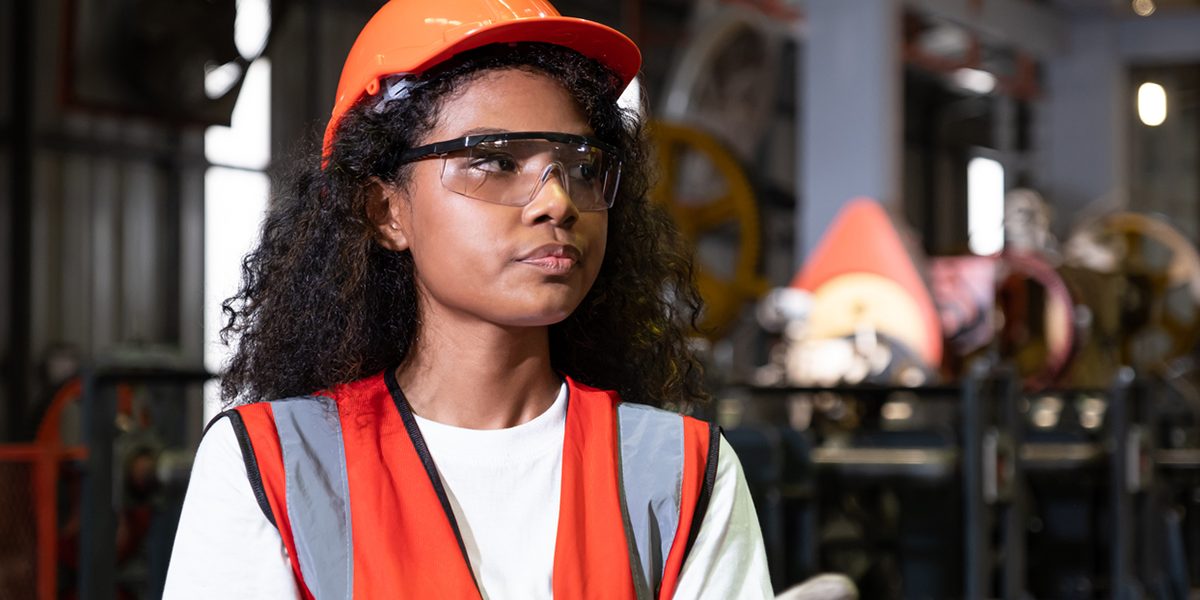
As experienced operators retire, industrial facilities must strategically develop the next generation of skilled workers — Gen Z.
At FCS, we recognize that Gen Z’s digital fluency calls for engaging, technology-driven training that goes beyond traditional instruction. Implementing modern, interactive training approaches equips Gen Z employees for success, building a more capable and resilient workforce.
Traditional training methods still have value, particularly when paired with experienced mentors and structured onboarding. However, passive learning alone may not always provide the level of engagement needed to prepare Gen Z employees for complex industrial environments.
Power plants and heavy equipment operations require workers to follow strict procedures and respond appropriately to unexpected situations. If trainees struggle to apply what they’ve learned in real-world conditions, it can lead to costly operational inefficiencies, increased safety risks, and prolonged onboarding times for critical positions.
That’s why effective Generation Z training focuses on active participation that utilizes their digital literacy. When employees can practice skills, solve problems, and experience realistic scenarios in a responsive environment, they are more likely to retain knowledge and develop job confidence.
Simulation-based training offers a practical solution for organizations looking to strengthen their Gen Z training initiatives. Simulation training uses realistic, computer-based virtual environments to provide your team a safe, controlled way to master complex equipment and critical scenarios without real-world risk.
Training Gen Z with simulations can help organizations:
Simulation-based training also provides immediate, measurable feedback that helps employees understand both their strengths and areas for improvement. This real-time insight aligns perfectly with Gen Z’s typical comfort with digital interfaces and preference for instant feedback, allowing them to learn rapidly. Instead of waiting for formal reviews, trainees can see the results of their decisions in real time and apply lessons immediately.
By allowing employees to learn through realistic scenarios, simulations help bridge the gap between theory and hands-on experience while supporting safer, more effective workforce development.
FCS develops custom training programs to meet the demands of modern power plants and industrial facilities. By combining decades of industry experience with proven training methodologies, FCS helps organizations bridge knowledge gaps and prepare the next generation of operators for long-term success.
Get in touch with FCS today to find the right training program for your Gen Z team.