

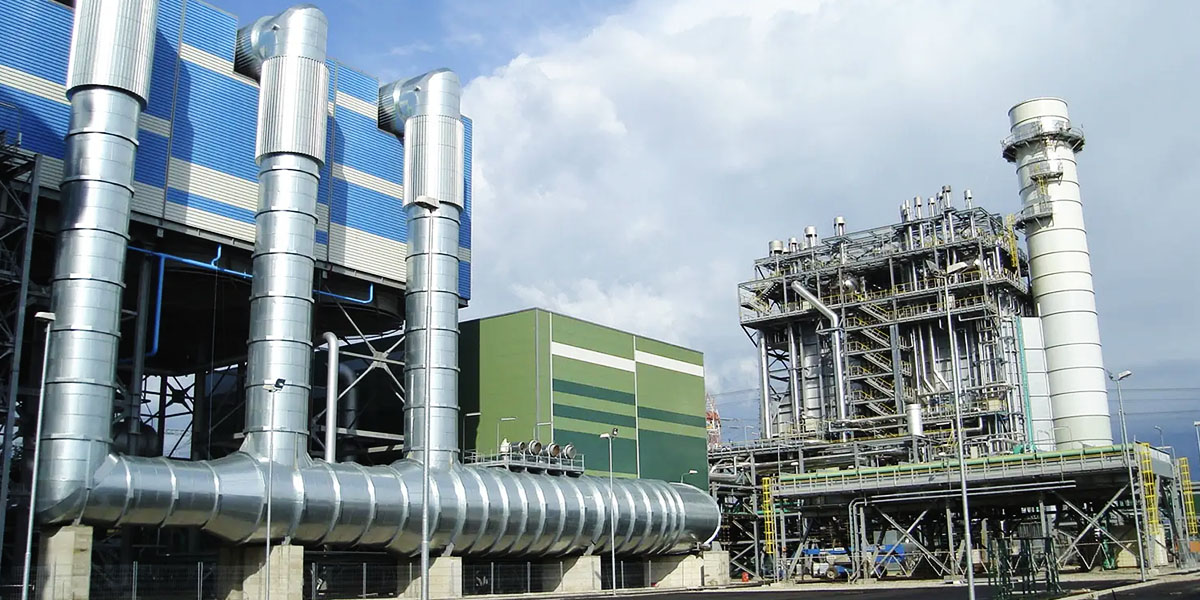
A power plant is an active place — between heavy machinery, loud noises, and lots of workers, various moving parts come together to create workplace hazards. From falls and trips to crush injuries and electric shocks, employees are at risk of different injuries.
That’s why health and safety measures should be a top priority in every plant. Many measures are legally required by OSHA, but you should assess your unique plant environment and take the initiative to make it as safe as possible.
There are three main areas to consider as you work to build a safer workplace:
PPE is often some of the most basic equipment your team will use, but it can be easily overlooked. Each task has different PPE requirements, so ensure your team knows what PPE they should wear and when. PPE that your team is likely to need in a plant includes:
Beyond PPE, lockout/tagout (LOTO) programs keep workers safe when working with machinery. LOTO programs protect workers from accidental exposure to hazardous energy sources by isolating and locking the machinery. Every worker might have a unique tag they can place on the lock, which tells other workers who has locked the machine. LOTO is a vital control required by OSHA that every worker should recognize and understand.
Diagrams help your employees use, repair, and maintain equipment safely. However, if your diagrams aren’t updated as your machinery’s parts are replaced, it can lead to serious safety issues. For example, a worker might cut into a pipe that the diagram says is empty, when it in fact contains hot, pressurized steam. Accurate diagrams also make it easier to train your team on how to use the machinery.
If you’re unsure whether your diagrams are accurate, take a few at random and compare them to your machines. If any of them are inaccurate, it’s likely that others are, too. In this case, you should do a full audit of your flow, piping, and instrumentation diagrams.
Create a safety culture your team can get behind. This culture must come from the very top and should be seen in the following ways:
Encourage employees to stop any job that they feel is unsafe and take the necessary steps to report the issue.
Effective training goes a long way to support plant safety. Even with the best tools, systems, and checks, your team will be at risk if they don’t receive training on how to stay safe as they work. By getting them involved and showing them the benefits of their training, your team will be more likely to use it going forward.
An operator training simulator (OTS) is one of the best ways to teach your team the latest safety techniques in a risk-free environment. An OTS can be particularly useful when your team needs specialized training for high-risk tasks, such as arc flash training. This specialized training is vital to keeping your team safe during activities that are more likely to cause an injury.

Conducting an audit can help you identify safety issues in your plant. Each plant is unique, which means you should carefully tailor your safety audit to your plant. However, the most important red flags that any audit should look for are:
Prepare for each audit before you conduct one, defining the audit objectives, reviewing previous audits, and gathering all the necessary documentation. In the name of transparency and to maintain a good company culture, you should also inform your team of the upcoming audit.
Besides performing regular checks and audits, you should implement several other best practices in your plant. These practices will improve workplace safety, reinforce your company culture, and encourage your team to take every possible step to remain safe while they work. These best practices should include:
Having a safety-adverse employee in your plant can greatly increase the risk of an accident. One of the best ways to motivate your team to stick to your training safety guidelines is to create a strike system. When an employee violates a written safety standard, they receive a strike. After receiving a specific number of strikes, employees are terminated.
Promote your plant’s safety culture, too. Encourage employees to ask for additional training or information when they’re unsure of the safest way to work. Carry out regular walk-throughs. While a walk-through may not be as in-depth as an audit, it allows you the opportunity to catch glaring safety issues. It also allows your team to see you checking that they’re working safely.
Finally, ensure your team understands that they should never see safety as a “box-ticking exercise.” Emphasize the importance of your plant’s guidelines, and make it clear what the consequences are if employees fail to follow them.
Due to increased health and safety risks at power plants, implementing the right company procedures and culture is essential. But for your team to follow safety guidelines, they need training that prioritizes safety during every task.
At FCS, we’re experts at providing training and resources for power plants that are customized to your workplace. Beyond teaching your employees the skills they need, we’ll help your workforce apply their training directly to their roles, making it easier for them to keep themselves and their co-workers safe. FCS has already supported over 150 power and process plant clients, and that experience is just part of what makes us the ideal provider for your team’s training.
To find out more about how we can provide your team with customized power plant safety training, contact us today.